

Today’s edition of Callaway Climate Insights is free for all our readers. We really want to bring you the best and latest in climate finance from around the world. Please subscribe now.
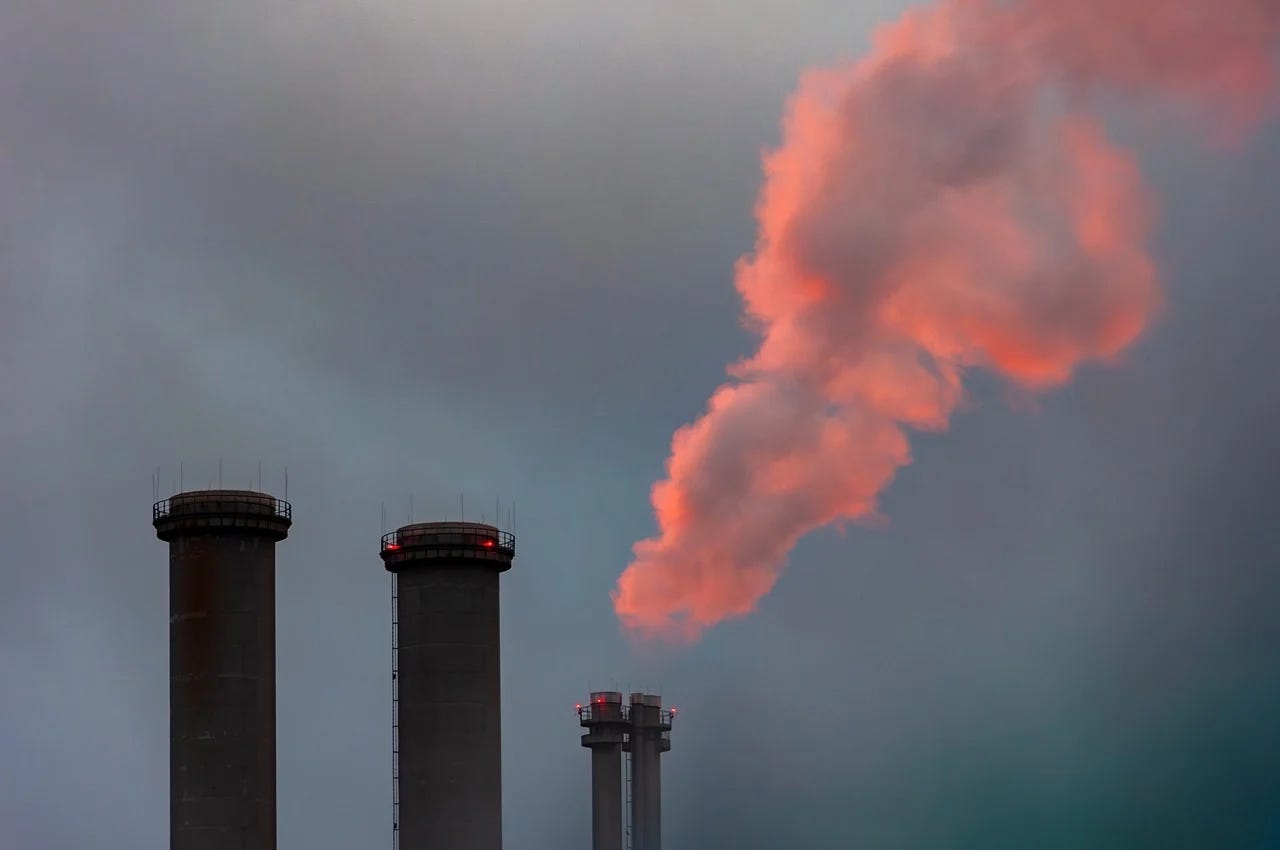
The last thing we need after a summer of extreme heat and natural disaster directly tied to global warming is another 20% jump in pollution in the U.S.
But that’s just what a new report from BloombergNEF forecast this week — and possibly even worse — if the tech giants keep using gas-powered energy to drive their new AI data centers.
At a time when data centers are emerging as a major environmental issue across the nation ahead of midterm elections, the report lays out in stark detail how some 99 proposed data centers — many of them in Texas — will raise the total level of emissions from powering the country’s electricity usage by between 20% and a third.
The owners of the proposed plants, mainly the big tech and AI companies, have all reported soaring emissions in the last few years despite their pledges to try to reduce pollution to contain climate change. But in their arms race to build new capacity for their AI technology, available gas is often easier and quicker than renewable energy. Climate efforts are being sacrificed in the name of soaring stock prices.
Much has been written about the potential, existential threat to humanity from AI. The irony is that in our race to develop it, we are the ones expanding the threat — not the bots — from global warming. Destroying ourselves to save us.
If you have ideas or suggestions for us, contact me directly at dcallaway@callawayclimateinsights.com.
Why you should care what the Trump Administration is doing to proxy advisers

. . . . The White House’s efforts to manipulate voting patterns has gone well beyond midterm elections and into the heart of American shareholder democracy system, writes Mark Hulbert. A series of proposals to weaken the influence of proxy advisors on how shareholders of companies vote on corporate management plans threatens to shift the odds massively in favor of CEOs and corporate boards, and in particular on climate votes and governance initiatives. Hulbert argues that if these proposals — actually executive orders — withstand testing in the courts then the ability of shareholders to influence how their companies act will be severely limited, as well as the impact of activist investors.
Thursday subscriber insights

The sun of God?
Pope Leo XIV and the Vatican, long supporters of fighting global warming, are expanding the use of solar energy to cover all of the Holy See’s energy usage within two years.
Pope Leo has approved expansion of a plan by his predecessor, Pope Francis, to build a massive solar farm on the outskirts of Rome to help develop agriculture for the Vatican and power its other electric needs, according to a report from Reuters this week.
The plan illustrates the new Pope’s determination to put the Vatican’s money where his mouth is on fighting climate change. The Vatican already uses solar panels but not to the extent proposed.
While the Vatican did not comment on the report, the new organization said the project could cost up to $100 million and take about 24 months to complete. At only about 100 acres, the Vatican is the world’s smallest country. But it would be the first to be entirely powered by renewable energy if the project succeeds.