

Today’s edition of Callaway Climate Insights is free for all our readers. We really want to bring you the best and latest in climate finance from around the world. Please subscribe now.
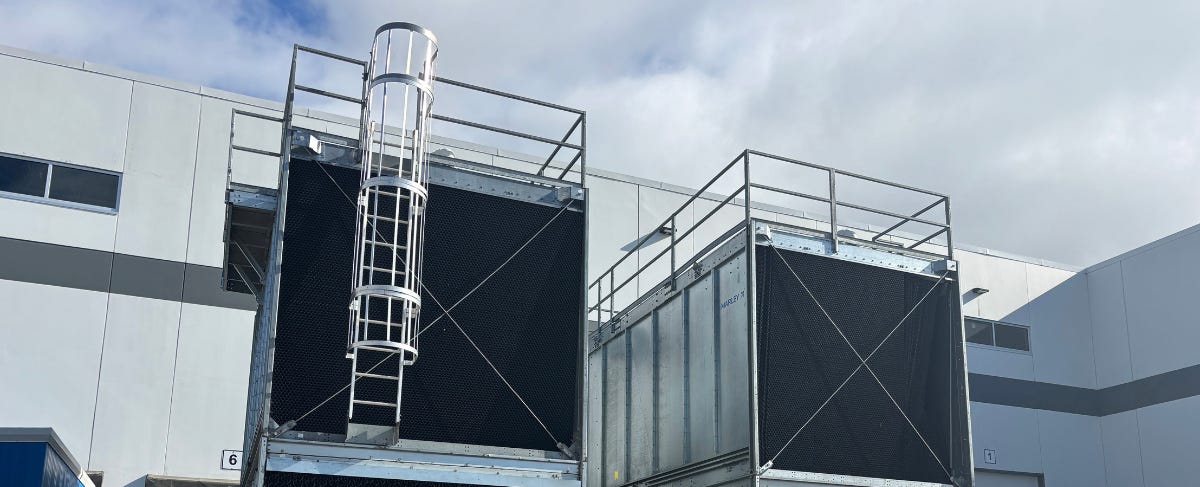
The old California axiom that in a gold rush the people who actually make money are the ones selling the picks and shovels proved true this week in the data center craze as private equity giant KKR KKR 0.00%↑ cashed in on a sale of a liquid cooling business with a profit of some 15 times what it paid for the business three years ago.
KKR said it sold a Canadian cooling company called CoolIT from its massive portfolio of data centers businesses to Ecolab ECL 0.00%↑ of Minnesota for about $4.75 billion, according to reports. The company helps cool data centers with liquids, including water, in a way that is many times more effective than air cooling, and demonstrates the importance of available water as the data center boom grows.
KKR is one of the largest data center owners in the world and a leader in a private equity business that has become consumed by the tech world’s mad rush to build data centers for its AI development. But the money being made by the frenzy is not in AI, which is only just coming into its own. It’s in the construction, cooling and energy development tied to them.
KKR and fellow private equity giants Carlyle and BlackRock BLK 0.00%↑ were tapped by the U.S. Army to build two new data centers on bases in Utah and Texas to help support the military’s growing reliance on AI in warfare, according to the Financial Times. Each center reportedly carries a $2 billion price tag.
The deals show the myriad ways that investors are finding to make money from the AI craze outside of developing AI, but for our money, energy development and water cooling to help power these places is going to be the major focus — and controversy — for some time to come. Even without AI breakthroughs.
Don’t forget to contact me directly if you have suggestions or ideas at dcallaway@callawayclimateinsights.com.
Follow us . . . .
Twitter | LinkedIn | Facebook | Instagram
Iran war spreads to Latin America with commodities crunch
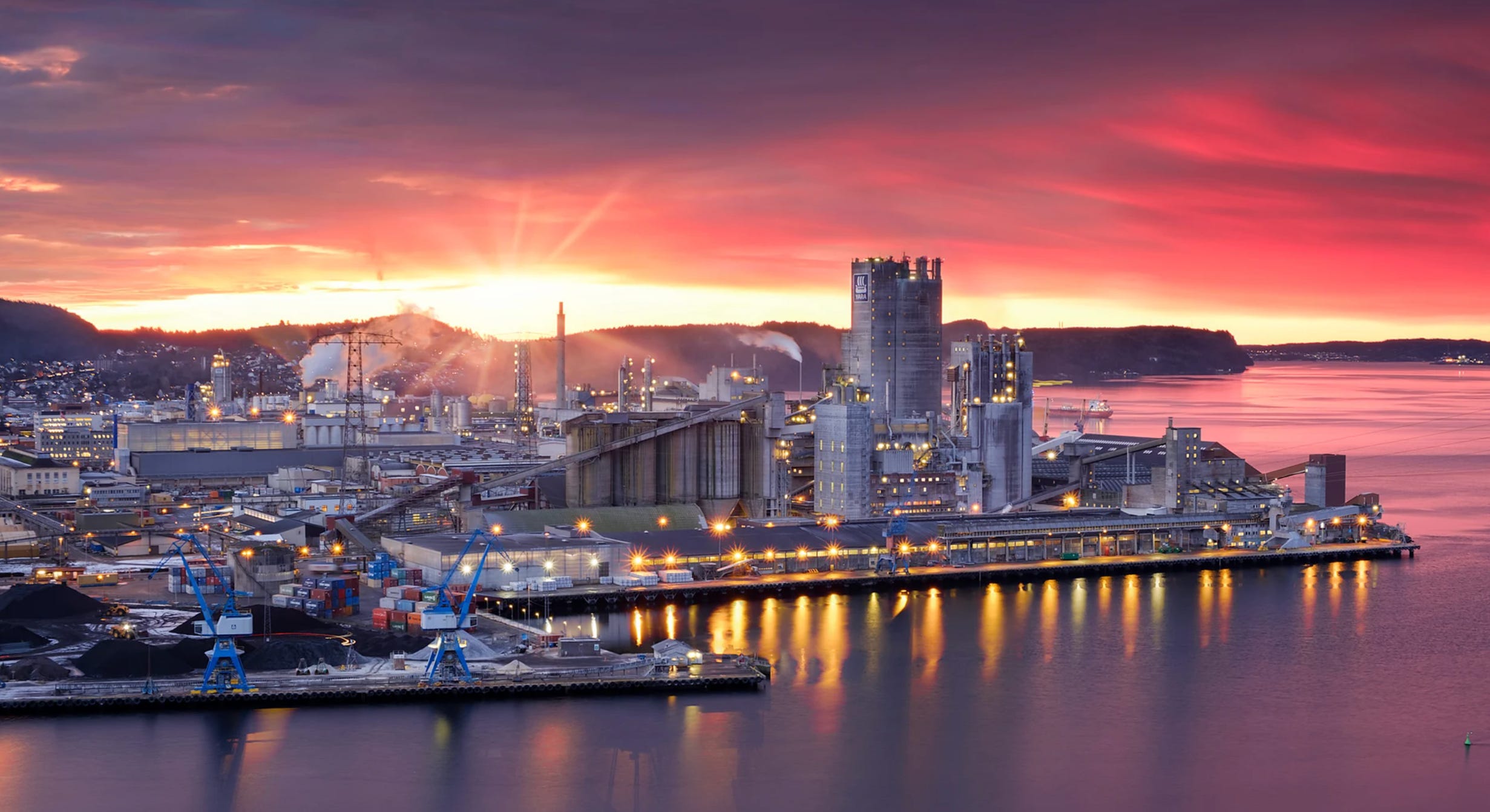
. . . . The war in Iran’s global reach has spread to Latin America as prices for its fertilizer have soared on world markets because the closing of the Strait of Hormuz has choked off Persian competition, writes Michael Molinski. But that same chokepoint is starting to impact Latam exports of corn and grain to the Middle East, creating a double-edge sword for countries such as Brazil, Chile and Argentina. The impact is being acutely felt in stock prices for the region known for its commodities, such as oil, minerals and agricultural products. While the S&P 500 Index in the U.S. is down about 5% since the hostilities began almost four weeks ago, a similar index of Latin American leading stocks is down twice that.
Thursday’s subscriber insights

The data center angle of the Iran war
. . . . One unintended effect of the energy crunch exploding across the globe because of the Iran war is that it is focusing even more political attention on the arms race for data centers in the U.S. and developing the energy to manage them.
It was only a few years ago that tech companies spoke of scouring the world for pure environmental spots to place data centers, where abundant energy could flow through solar, wind or thermal. But the race developed so rapidly that many firms are just resorting to burning natural gas and other fossil fuels, which has resulted in a public backlash and come to the attention of politicians ahead of midterm elections.
Alexandria Ocasio-Cortez and Bernie Sanders this week became the latest to jump into the fray, promising legislation to block the development of new data centers until Congress provides environmental protections for communities nearby. While the legislation has no chance of passing the Republican-controlled Congress, it signals a priority issue the Democrats — especially progressives — intend to use in November.
The flip side is that Republicans will position themselves as the party that cares more about energy security at a time when prices at the pump are soaring, which could have its own appeal to voters, even those opposed to big data centers in their back yard.
While energy development for data centers has for the most part played second fiddle over the past few years to the promises of AI to come from those data centers, suddenly, the type of energy used in them has jumped to the fore, not just for investors, who have long played in that market, but now for voters.
Editor’s picks: Pushback over repeal of the Endangerment Finding; plus, Trump officials want new Alaska coal plant
Watch the video: The Trump administration is facing pushback over its repeal of the 2009 Endangerment Finding, which recognized the harmful effects of greenhouse gas emissions on the environment and the public, leading to the passage of environmental protection laws. More than a dozen major environmental groups have filed a lawsuit. Critics, including environmentalist Bill McKibben, have described the move as shameful. McKibben views it as evidence of America’s “descent into idiocracy.” He joins Hari Sreenivasan to discuss.
First new U.S. coal plant is on shaky ground
Trump officials are heralding a potential new coal plant in Alaska, but the project faces mounting opposition and tricky data center politics says a new report from E&E News by Politico. The proposed plant would be near the Susitna Valley in south-central Alaska and is needed to feed the proposed 1.25-gigawatt Terra Energy Center. That center is part of a $1 billion deal with Hyundai Heavy Industries Power Systems. It would be the first new coal-fired power plant built in the U.S. since 2013. The report notes it’s not clear how the coal plant will be paid for, overcome a lack of infrastructure in the area or whether carbon capture and sequestration is still on the table.

Words to live by . . . .
“Climate change is the single greatest threat to a sustainable future but, at the same time, addressing the climate challenge presents a golden opportunity to promote prosperity, security and a brighter future for all.” — Ban Ki-Moon, former secretary-general of the UN.