

Today’s edition of Callaway Climate Insights is free for all our readers. We really want to bring you the best and latest in climate finance from around the world. Please subscribe now.
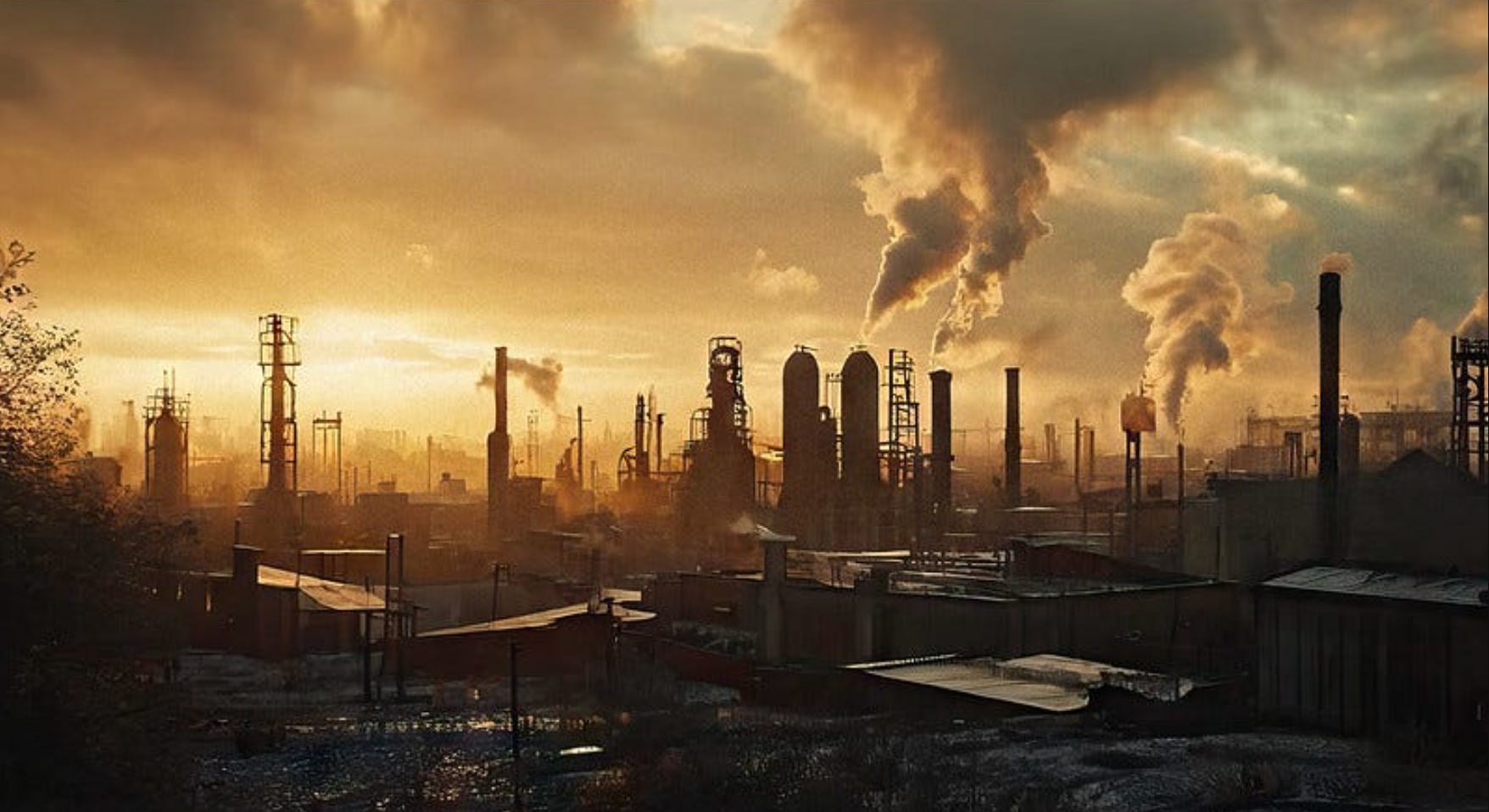
Pulling the U.S. out of the United Nations Climate Framework might not be the worst thing the Trump administration did yesterday (See Minneapolis), but in terms of long-term damage to America’s global standing and our ability to influence trillions of dollars in new investments, it’s right up there.
The decision to leave the UN Framework Convention on Climate (UNFCCC), and also the Intergovernmental Panel on Climate Change (IPCC), a group of global climate scientists who monitor global warming and report evidence to policymakers, is more than just a stick in the eye to the rest of the world.
It’s an historic own goal that takes the largest and most influential group of scientists in the world effectively out of the room where decisions are made that affect policy, impacting trillions of dollars in climate finance that could benefit communities and also investors.
Instead, betting the future of the U.S. on oil and gas at a time when our largest rival, China, and others are moving aggressively into cheaper green energy, will go down as one of the most damaging miscalculations in geopolitical history.
The good thing about free markets, at least for now, is that smart investors can take the other side of foolhardy trades and often do. We’re seeing that right now in the rally in green energy stocks since the Trump administration took over and we’ll see it in coming weeks with weak oil giant earnings.
Cowardly politicians may sing the chorus of their leader, but investors know better. At some point, bravado and arrogance cross the line into danger and irreparable harm. Yesterday, Jan. 7, 2026, like its predecessor just five years and one day before, felt like a singular moment in this slow-moving global unraveling.
Don’t forget to contact me directly if you have suggestions or ideas at dcallaway@callawayclimateinsights.com.
Follow us . . . .
Twitter | LinkedIn | Facebook | Instagram
Green stocks trounce oil in 2026 despite cutbacks

. . . . Renewable energy stocks trounced oil and gas stocks in 2025, despite a year of punishing cutbacks and closures of green projects by the Trump Administration, writes Mark Hulbert. Green stocks also beat oil during Trump’s first term, suggesting that the pace of demand for clean, cheaper energy outweighs any political rhetoric in investors’ minds. In fact, oil and gas stocks did better under Joe Biden, as Hulbert demonstrates in the chart above. Perhaps 50 million more barrels of oil from Venezuela will change that dynamic, but that’s unlikely as long as big tech data centers are hungry for cheap energy.
Thursday’s subscriber insights
Largest carbon border tax takes effect in Europe
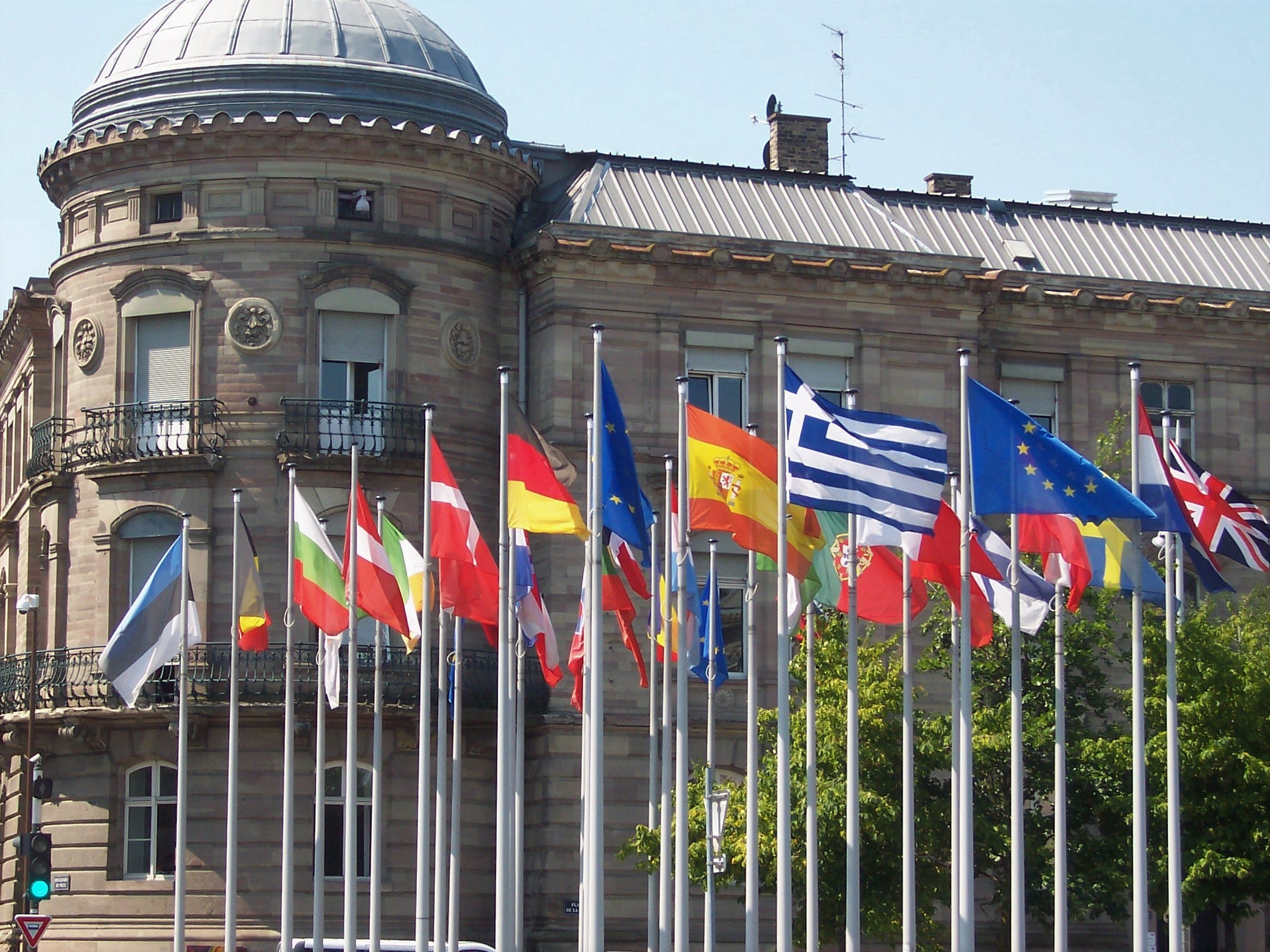
. . . . After much struggling and political warfare, the EU’s Carbon Border Adjustment Mechanism finally went into effect last week, becoming the largest carbon border tax in history and shaking up trade in global iron, steel, and even electricity, among other commodities.
Officials hope the tax will raise about $25 billion a year from companies wanting to import metals from countries where they are cheaper because of less stringent environmental rules. They also hope European countries will ultimately opt for materials with less greenhouse gas emissions in their manufacturing by charging for the greenhouse gases that are used now. Countries such as India, Brazil, and even Canada are expected to be most affected.
The U.S. fought bitterly to stop the border tax from taking effect, arguing it will disrupt global trade and threatening retaliation in the form of more tariffs, but at least for now it is in place. It is unclear whether the oil and gas deal the Trump team did with the EU earlier last year will be affected — though it will impact trade in metals and cement.
With all forms of efforts to limit or reduce harmful greenhouse gases under attack in the U.S. and abroad these days, we expect the CBAM will face increased hostility in coming months, as well as some form of retaliation. The U.S. has long debated its own form of border tax but usually stepped back in the name of free trade.
After a year in which the EU mostly retreated from its leading climate regulatory ambitions because of politics and rising demand for more energy, the tax is one small, albeit likely brief and expensive victory for those politicians who still want to fight the good fight on climate change.
Editor’s picks: New climate data hub; plus, billion-dollar weather disasters
Watch the video: UN Climate Change is partnering with Microsoft to build the Climate Data Hub, an AI-powered platform that makes climate data from more than 190 countries transparent, accessible, and actionable for policymakers, researchers, and communities worldwide.
23 billion-dollar disasters
Last year ranks as the third-highest year (after 2023 and 2024) for billion-dollar weather and climate disasters — with 23 such events costing a total of $115 billion in damages, according to Climate Central. The January 2025 Los Angeles wildfires were the costliest event of the year as well as the costliest wildfire on record. With $61.2 billion in damages, this devastating event was about twice as costly as the previous record wildfire, Climate Central said in its annual review. Severe weather accounted for a record 21 billion-dollar disasters in 2025 — concentrated in a series of spring and summer tornado outbreaks across the central U.S. Since 1980, the U.S. has sustained 426 billion-dollar disasters, with a total cost exceeding $3.1 trillion. The frequency of U.S. billion-dollar disasters has increased dramatically since 1980 due to the rise in extreme weather and a growing number of people, homes, and businesses in harm’s way.
Latest findings: New research, studies and projects

More problems with microplastics
New research published in the Journal of Hazardous Materials: Plastics argues that microplastics are interfering with oceanic carbon cycling at a time of accelerating climate change. The work indicates this form of plastic pollution is impairing the oceans’ ability to absorb carbon dioxide, a process that scientists deem to be crucial for regulating Earth’s temperature, Oceanographic Magazine says. “Climate disruption and plastic pollution are two major environmental challenges that intersect in complex ways. MPs (microplastics) influence biogeochemical processes, disrupt oceanic carbon pumps, and contribute directly to greenhouse gas (GHG) emissions,” the study authors wrote.

Words to live by . . . .
“Cheers to a new year and another chance for us to get it right.” — Oprah Winfrey.
Hi David,
I couldn't agree with you more re your article "the day that climate died". Its tragic and selfish. I can hardly believe its happening in what I always thought was a world leader (the US)in so many beneficial ways. Millions will die in the coming decades due to the Ir-reversable increase in GHG. I don't think I live in the same country anymore, rather some misguided un-real land, reminiscent of Germany in 1936.
Trump is correct ... Its all a waste of time and citizen funds.