


. . . . Welcome back to Green Lights. Here’s our roundup of the best of Callaway Climate Insights. This week, David Callaway looks at the other humanitarian crisis from the Iran war — water. Plus, Mark Hulbert writes about the tough sell if investors want to really be able to make an impact on climate change. Have a great weekend and please subscribe to support our climate finance reporting.

. . . . As we enter week three of the Iran war, oil prices remain high and markets churn on any headlines from the Strait of Hormuz. But a far greater disaster than disruptions to oil supplies threatens the Middle East — a lack of water. It’s a humanitarian crisis, David Callaway writes. The longer the war goes on, and the more water becomes the country’s top vulnerability, desalination plants will become priorities — and possible targets.

. . . . Green investors will often tell you they’re making money and helping the environment, but when trading conditions get tough and volatility surges, they’re trying anything they can to squeeze out profit like everyone else. Mark Hulbert looks at a new study that put 100 investors under trading room conditions. While green investors feel good about their image of helping fight climate change, the green trade becomes more and more fragile the tougher the trading becomes. The study supports Hulbert’s oft-quoted maxim that for investors to really be able to make an impact on climate change, they probably will have to learn to accept lower returns in the long run. A tough sell, to be sure.
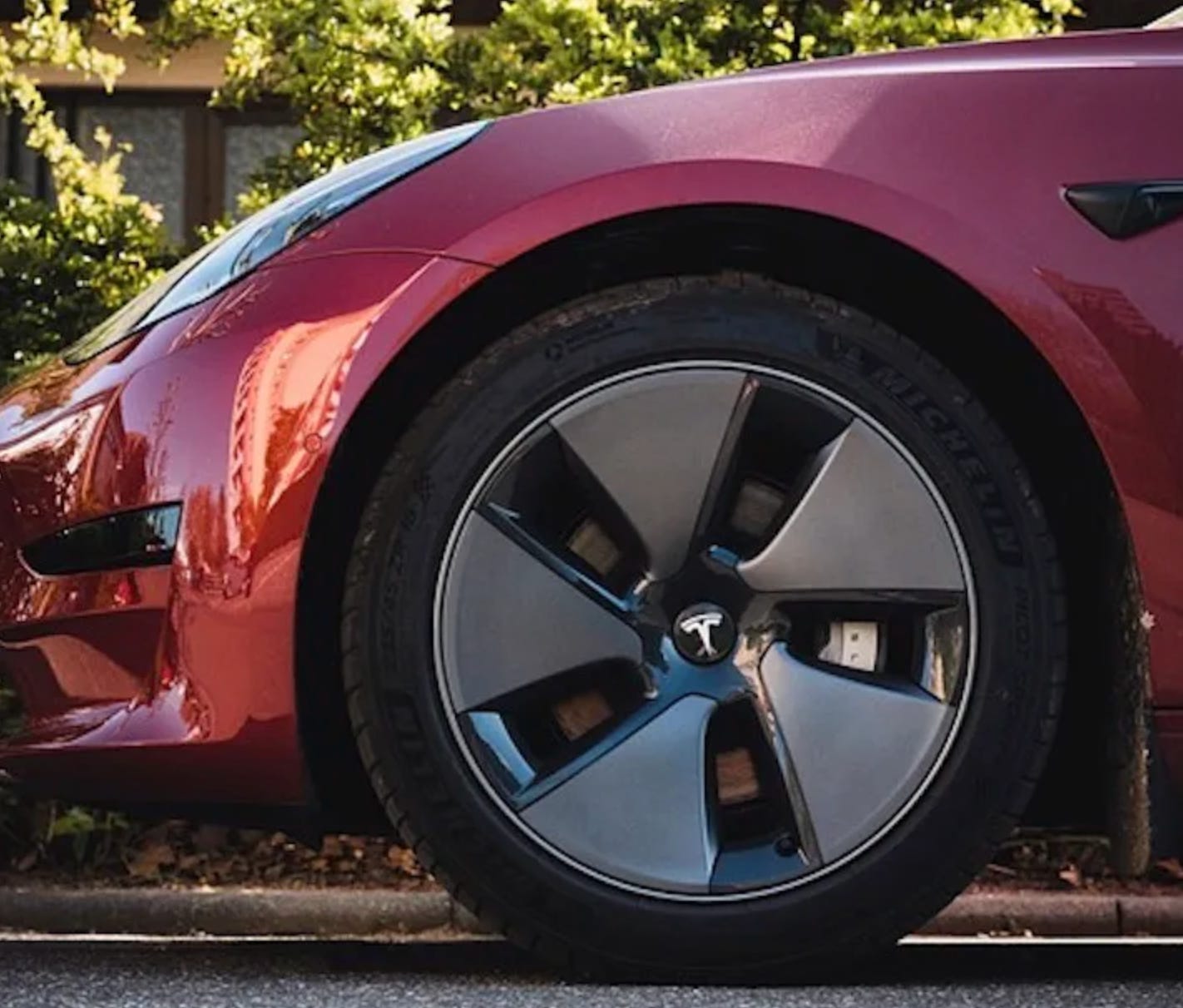
. . . . Used EV sales soared in the first two months of the year, as prices near the under-$30,000 area. Now, with gas prices also leaping, interest in used EVs is looking like a shrewd move. EVs made by Tesla TSLA 0.00%↑ were the most popular among buyers, followed by vehicles from Ford F 0.00%↑ , Chevrolet and Hyundai.
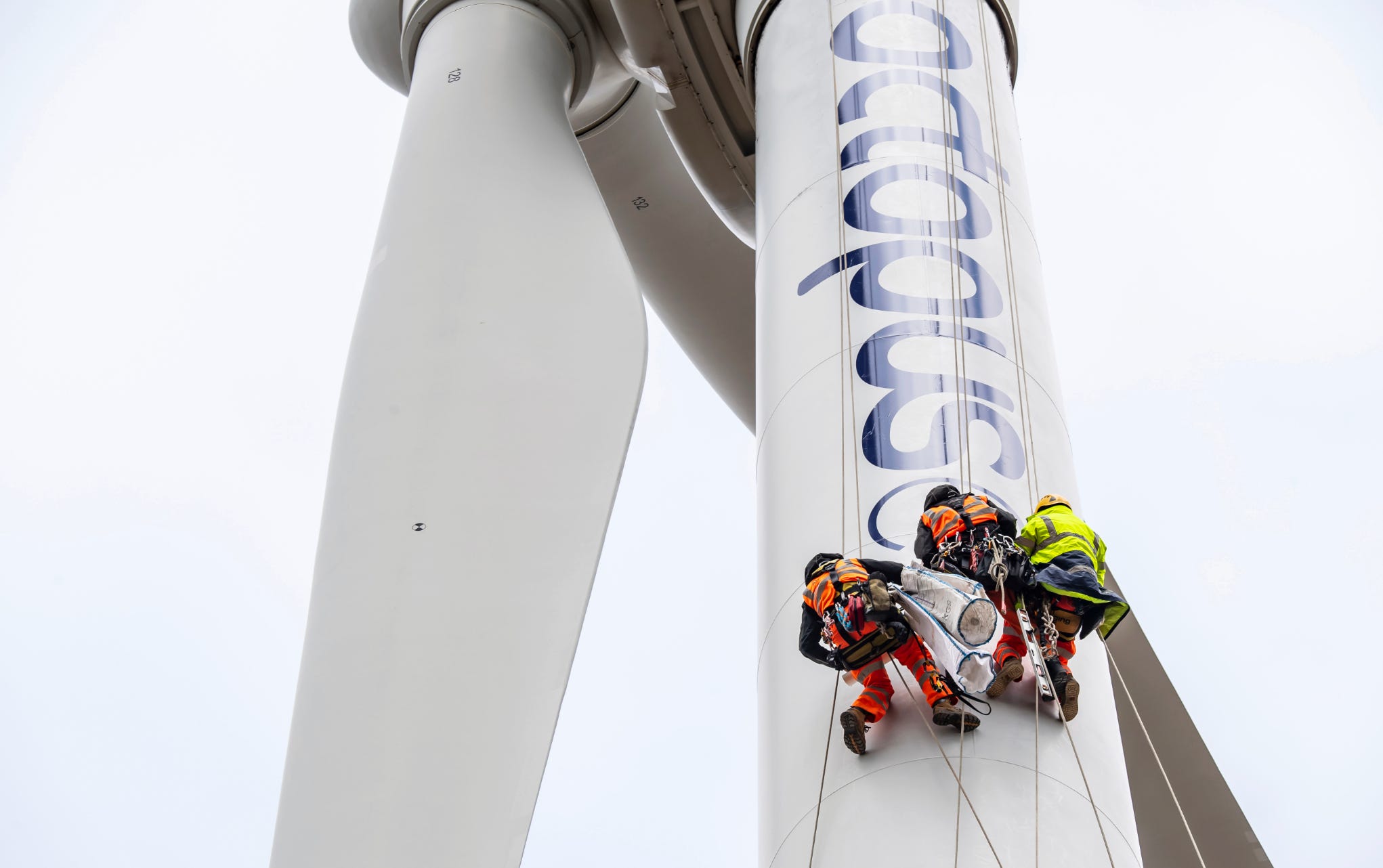
. . . . Octopus Energy, the British renewable energy giant which pledged two months ago to invest up to $1 billion in green technology in California said its investment arm will expand a carbon removal deal with Pleasanton, Calif.-based Cultivo Land to help identify nature-based areas around the world to help lower emissions. The deal, coming at a time when the Trump administration in the U.S. is attacking California on everything from offshore oil drilling to vehicle emission regulations, illustrates that green capital continues to flow to carbon removal technologies and projects despite the shift in political winds.

. . . . President Donald Trump may have most of his mind on opening the Strait of Hormuz and ending the Iran war, but he apparently still has time to think of presidential politics. Trump and Energy Secretary Chris Wright signed a pair of executive orders to reopen offshore drilling in California, a direct strike at potential presidential rival Gov. Gavin Newsom. David Callaway writes that the political scuffle over offshore oil is a clear signal that energy prices, vs. energy security, are going to be a key issue in the midterm elections this year and the presidential election in 2028.
More greenery . . . .

Stop the world: Climate change slowing Earth’s rotation at a rate not seen in 3.6 million years (Livescience.com)
Enough food?: European food system resilience (euronews)
Climate change, overuse: Middle Rio Grande in a ‘dire’ situation (States Newsroom)
77%: National parks highly vulnerable to climate change impacts (National Parks Traveler)
California: Sues over repeal of EPA’s authority to fight climate change (KQED/NPR)