


. . . . Welcome back to Green Lights. Here’s our roundup of the best of Callaway Climate Insights. David Callaway finds the real story behind the IEA’s 2026 Energy Investment report. Oh, and the electric Ferrari, of course. Plus, Mark Hulbert finds that companies that brag about their environmental practices don’t do as well as the companies that stay mum. Have a good weekend and please subscribe to support our climate finance reporting.

. . . . Behind the headlines of the International Energy Agency’s 2026 World Energy Investment report released Thursday, the numbers and quotes tell a different story. It portends a generational, permanent shift in how the world views the future of oil. Saying frankly that “we are in the midst of the largest energy crisis the world has ever faced,” IEA Executive Director Faith Birol introduces a set of numbers that makes it difficult to see a way for oil investment to ever recover.
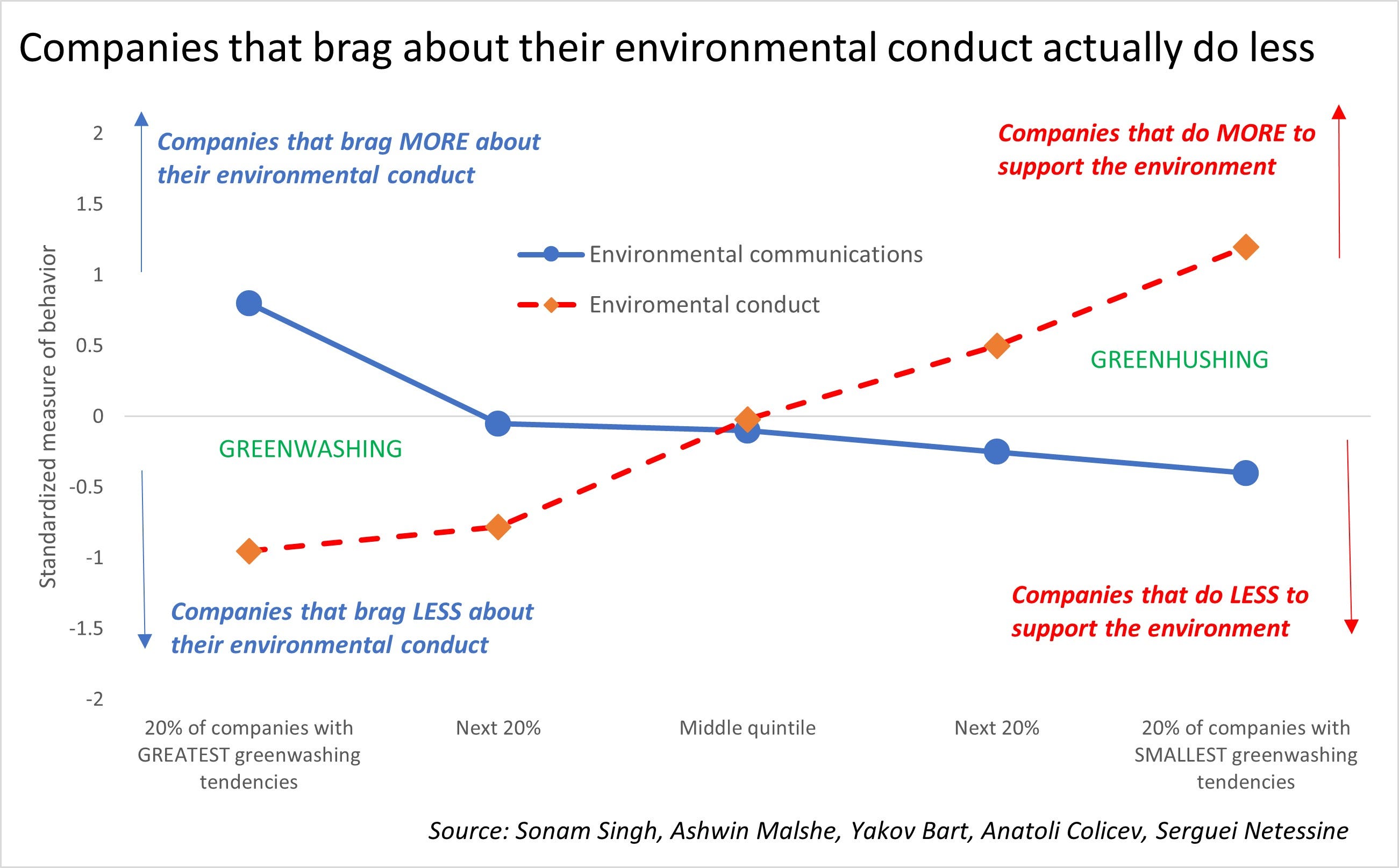
. . . . Five years after companies bragging about their environmental practices led to a controversy around “greenwashing,” some of the most active companies in fighting climate change are going the opposite way, not talking about their actions, writes Mark Hulbert. It’s called “greenhushing” and while it might be harder for investors to track down, the practice is associated with better performance by the stocks of companies who engage in it, according to a new study that Hulbert analyzes. So, it’s not how much you promote your climate actions that benefit your stock, but how much you actually walk the walk.

. . . . At a time when most car companies are slashing the prices of their electric vehicles to stimulate demand, the idea of a $640,000 EV might on the face of it seem like a bad idea, even if it is a Ferrari and it’s designed by legendary Apple designer Jony Ive. David Callaway writes that just the fact that it exists is enough to make even the most hardened gearhead take a second look at the vast potential of the new technology. And maybe by comparison the $64,000 Tesla doesn’t seem so bad after all.

. . . . The rally in stocks this spring, and particularly green stocks tied to energy other than oil, hasn’t spread to the bond markets, which have been ominously weak since the war on Iran started. But one group has defied the odds. Green bonds, issued by companies that plan to use the money on climate projects, are on the rise.

. . . . While it’s tempting to speculate that the sudden removal this week of BP Chairman Albert Manifold was simply a targeted kneecapping by new CEO Meg O’Neill to remove an obstructive board leader, the background of Manifold’s role in pushing the oil giant away from the green goals of its recent past deserve scrutiny. No doubt his removal was prompted by a combination of things, some of which we still may not be aware of. But in the end, David Callaway writes, the ouster represents just the latest scandal at a company that can’t seem to avoid controversy long enough to show results, confounding shareholders for more than 20 years now.

. . . . The 2026 hurricane season begins next week on June 1. NOAA’s National Weather Service is predicting a below-normal hurricane season for the Atlantic basin this year, with only three or fewer major hurricanes. When one does develop, however, meteorologists will know what to call it: Arthur, you’re up. Read more about how hurricanes are named and what happens when the World Meteorological Organization decides it needs to retire a name from the lists.
More greenery . . . .

‘It’s insane’: How climate change is having an impact at the French Open (CNN)
Why?: Scientists Retired the Dire Climate Scenario Used for Over a Decade (NYT)
Fires and floods: Climate change is creating uninsurable areas across Europe (The Conversation)
Wildfire recovery: LA faces challenges ahead of 2028 Olympics (Clean Energy Wire)