


. . . . Welcome back to Green Lights. Here’s our roundup of the best of Callaway Climate Insights. This week, David Callaway looks ahead to the potential outcome of the Supreme Court’s ruling on whether states and local towns can sue big energy companies for climate damages, Bill Sternberg reviews the impact the midterms could have on green energy policy, and Mark Hulbert analyzes how energy inflation this year has raised the cost of capital for green stocks through higher borrowing costs, resulting in stock price swings. Have a great weekend and please subscribe to support our climate finance reporting.

. . . . The Supreme Court’s hearing Monday on whether states and local towns can sue big energy companies for climate damages is admittedly a long-shot. But as the big tobacco companies know, stranger things have happened, writes David Callaway. Even a partial ruling in favor of the states — for example a ruling or legal opening where lawsuits could persist under certain direct damage circumstances in each state — would be a significant victory for the climate justice movement.

. . . . And now for something completely different: After years of whipsaw climate policy in Washington, the 2026 midterm elections offer the prospect of greater predictability, Bill Sternberg writes. Why? The abrupt political reversals have made it nearly impossible for green energy developers to make projections based on federal policy. But that uncertainty is likely to be replaced with stability from the gridlock that accompanies divided government.

. . . . Clean energy stocks have outperformed fossil fuel, or brown stocks, for most of the past five years, but this year they have fallen significantly short, says Mark Hulbert. The difference might be the Iran war, which has skewed energy inflation and led to a bonanza in profits for fossil fuel companies as oil prices soared. Green stocks have historically had a higher cost of capital than brown stocks and so investors have demanded higher returns, but this year energy inflation has raised the cost of capital for green stocks through higher borrowing costs, resulting in the stock price swings.
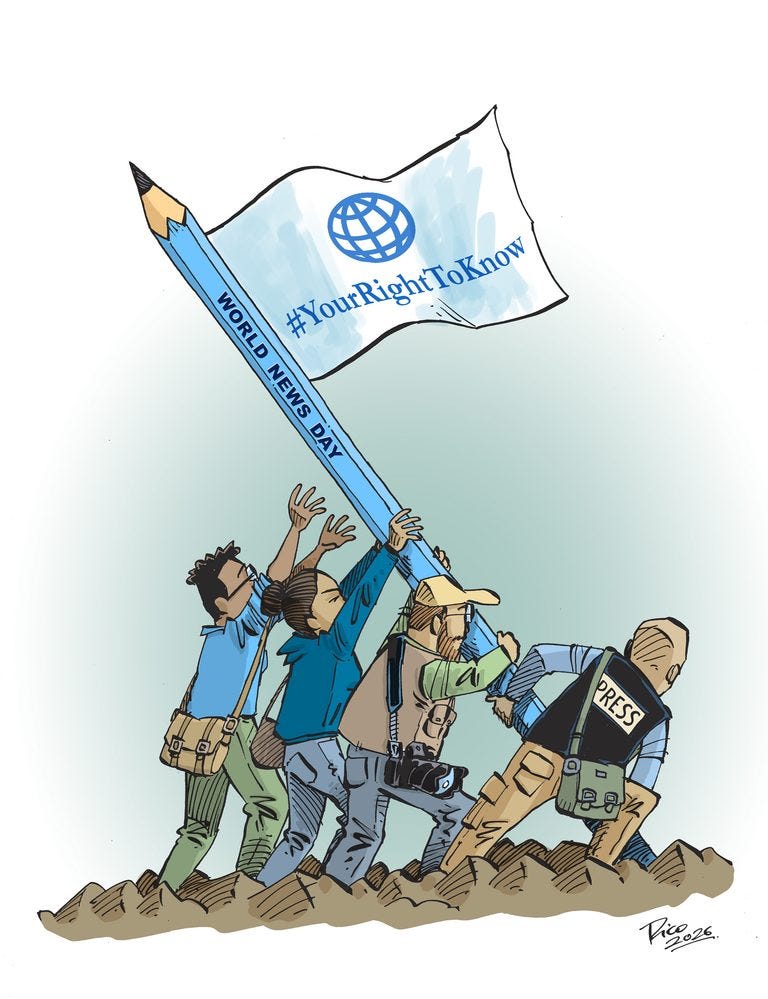
. . . . A decade ago, the World Editors Forum, which I used to be involved with, created World News Day to celebrate global journalism and warn about the threats to the future of the press from authoritarian governments. This year, as in the past, World News Day was celebrated on Sept. 28 and Callaway Climate Insights wants to join the hundreds of other news organizations who are part of it in saluting the brave journalists who fight against restrictions on press freedom every day to bring us the news that is so vital to free and democratic societies. Some of the best opinion pieces from around the world were collected on this link. We encourage you to take a look. Read more on why journalism matters at worldnewsday.org.

. . . . Fervo Energy, one of the hottest green energy IPOs of the year when it debuted in May, fulfills a promise to launch a large-scale, commercial geothermal plant in Utah this week as it formally began selling electricity to a local energy company. Investors are hoping for more progress. Higher borrowing costs and a general backlash against data centers have hit green energy stocks hard this year. Fervo shares have dropped by half since it started trading.
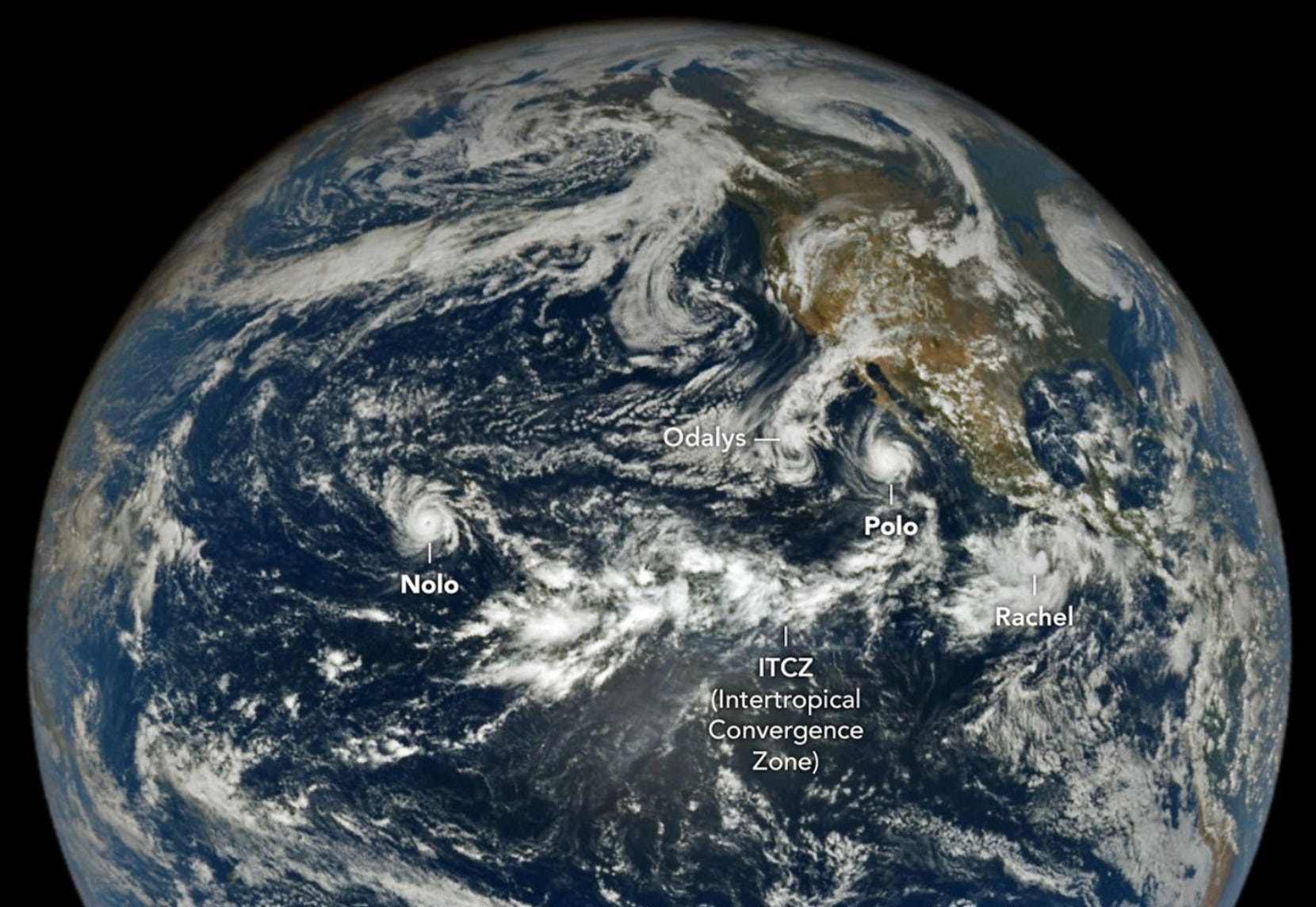
. . . . Hurricane Rachel has been upgraded to a Category 3 storm off Mexico’s Pacific coast, while northern Mexico and parts of the U.S. Southwest are still feeling the effects of flooding and damage from the remnants of Hurricane Polo earlier this week. The National Hurricane Center says Rachel is expected to strengthen Friday before weakening this weekend. The Associated Press reports the Pacific has seen an unusually busy hurricane season, which experts attribute to El Niño. The weather phenomenon has caused droughts in Mexico and Central America and floods in other parts of the region. In the Pacific, it has resulted in warmer waters and wind patterns that act as fodder for hurricanes.
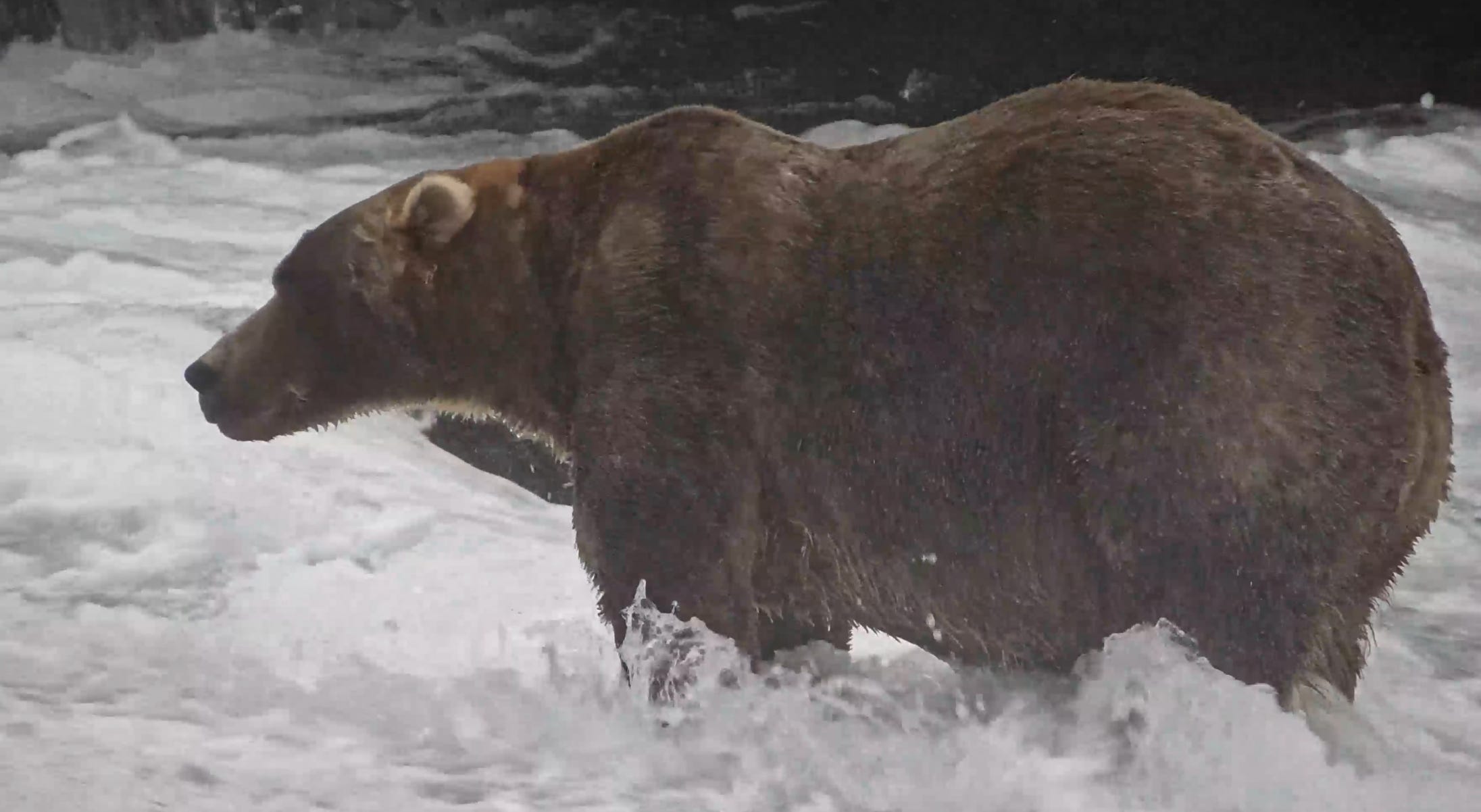
. . . . Bear 89, AKA Backpack, was declared the fattest of the fat this week in the annual Fat Bear Contest hosted by explore.org and Katmai National Park. Above, Backpack enjoys the salmon buffet at Brooks Falls. The bracket-style competition in which voters choose the chunkiest is a celebration of environmental success. For bears, fat equals survival, and fat bears are a sign of Katmai’s important and healthy ecosystem. Backpack earned his nickname because, as a cub, he was frequently seen clinging to his mother’s back. His mother, Holly, was a former Fat Bear champion. Photo: explore.org. Have a good hibernation, Backpack.
More greenery . . . .

Halloween eco-horror: Killer mosquitoes, rabid bats and bear attacks (The Los Angeles Times)
Climate Change Rebrand: Politicians aren’t talking about it, but the green transition progresses (The New York Times)
Don’t scratch: Skin Conditions Are Worsening Due to Climate Change (The Dermatology Digest)
You’d be surprised: The States Where People Have Already Left Because Of Climate Change (Climate Crisis 247)
It gets in your eyes: Wildfire smoke exposure has surged across the U.S. (Climate Central)