

Today’s edition of Callaway Climate Insights is free for all our readers. We really want to bring you the best and latest in climate finance from around the world. Please subscribe now.
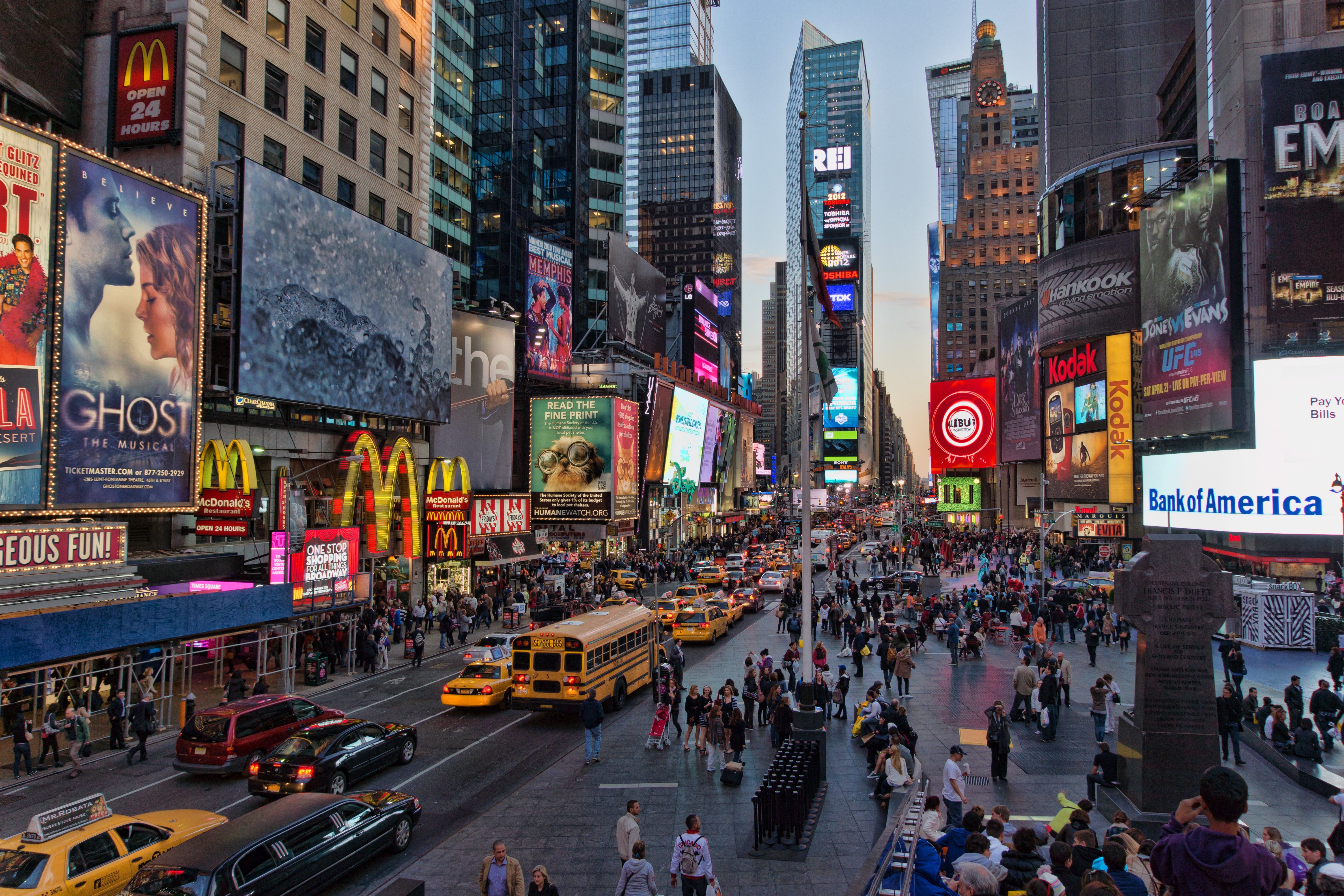
A new specter will hang over NYC Climate Week and the United Nations next week as global leaders meet to discuss the latest on Iran, Ukraine, drone warfare, AI and soaring energy costs: rising interest rates.
The Federal Reserve Board’s decision this week to raise interest rates, joining Europe and the UK, which have been raising rates all year, puts three of the most powerful central banks back together on the same cycle, which is bad for borrowers.
The fortunes of renewable energy companies and other climate startups are particularly tied to interest rates as many need to borrow heavily both from private and public sources to achieve scale in building out wind, solar and other energy infrastructure. Climate investors acutely remember the last time rates rose after Covid and how green stocks tanked in reaction.
Green energy companies are already starting to falter in places such as Germany and Europe is currently running at less than half the investment it needs annually in renewables to achieve its 2030 climate targets. All of this comes on the heels of soaring fossil fuel prices as well because of the two wars.
So as executives and climate advocates gather in security-clogged Manhattan, they’ll have more than rising energy costs to worry about. The engine of finance behind the transition has suddenly stalled.
NOTE: David Callaway will be joining The Independent in New York on Tuesday, Sept. 22 for its annual Climate 100 Event at NYC Climate Week. This year’s event features David Miliband, President of the International Rescue Committee and a former British politician. Details on how to watch to be announced on Monday.
If you have ideas or suggestions for us, contact me directly at dcallaway@callawayclimateinsights.com.
California takes lead in tracking of 95% of large company pollutions

. . . . There hasn’t been a lot of good news on the climate disclosure front coming out of the Trump administration this year, but the states are making up for it, writes Mark Hulbert. While the federal government has abandoned a plan by the Biden Administration to require large public companies disclose harmful greenhouse gas emissions, several states, including California, are implementing similar rules. California’s rule, set to begin on Nov. 10, would require all companies with revenue above $1 billion to disclosure their emissions from direct and indirect electricity usage, and importantly, emissions from their vendors or so-called Scope 3 emissions. Those last emissions, which need to be reported starting next year, are responsible for more than 95% of all dangerous greenhouse gas emissions, Hulbert writes and shows with accompanying data charts.
Thursday’s subscriber insights
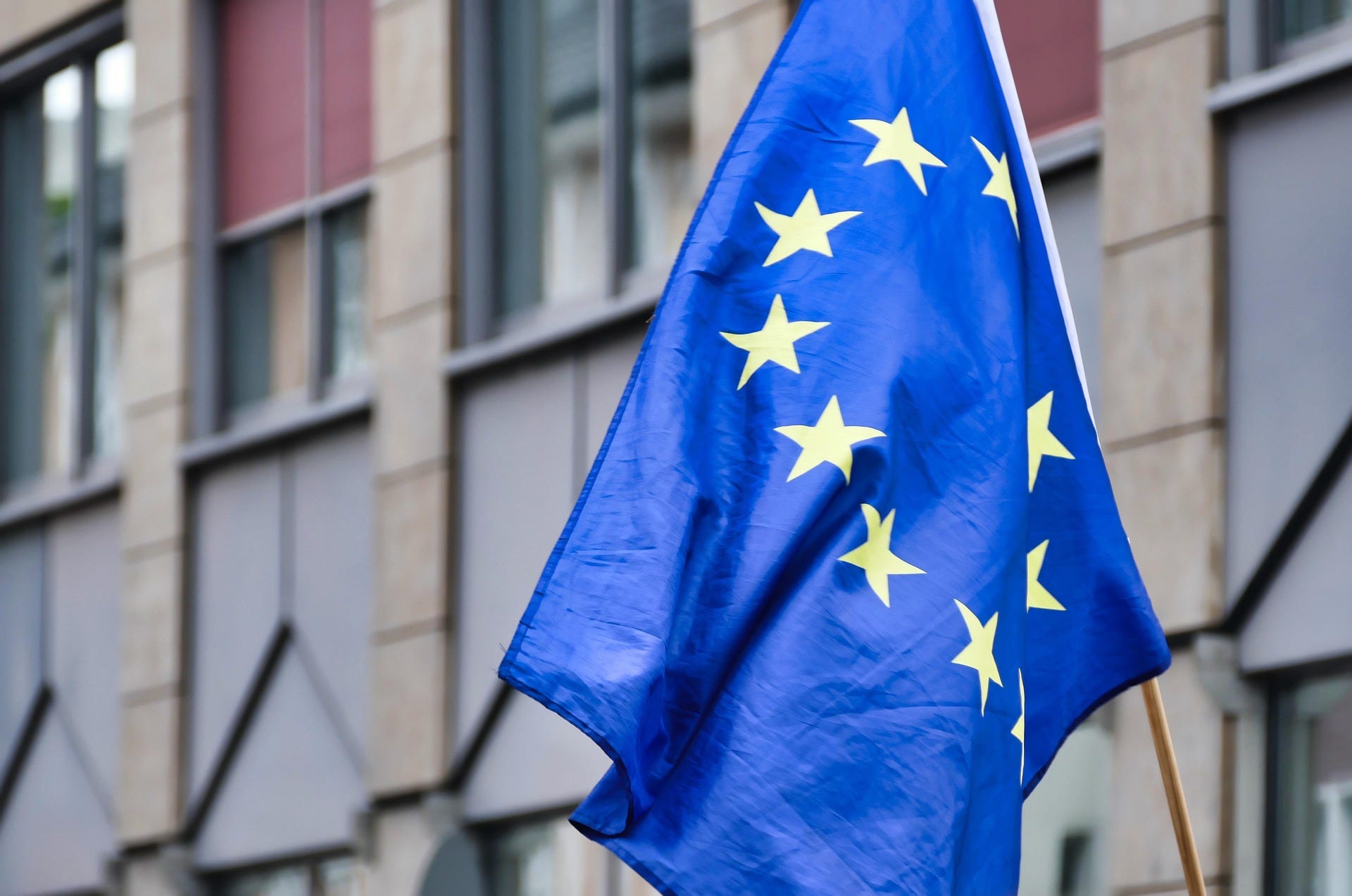
EU’s Von Der Leyen gets out ahead of UN leaders meeting with new heat strategy
. . . . Getting ahead of the United Nations Global Leaders Meeting next week in New York City on climate initiatives, EU President Ursula von der Leyen laid out a strategy this week to help European members insure themselves against economic damage caused by extreme heat.
After the hottest summer on record across the continent, analysts estimate more than $180 billion in economic damage from lost work, ill health and natural disasters such as wildfires. That’s equal to about 1% of EU economic growth a year, or enough to effectively wipe out most growth in 2026.
Von der Leyen said that to date there has been little private insurance for most of this damage and that it typically just gets absorbed into state budgets. Saying the EU cannot allow this to happen again, she’s seeking to create an “insurance alliance” from companies across the region to help prop up economies when disaster strikes.
The alliance would differ from ones popping up in states such as California and Florida, which are managed by the state and seen as insurers of last resort for homeowners, in that the European plan would draw on insurers across borders to help create the alliance buffer fund.
Acknowledgment of a need for more insurance is a next step in the cascading effects of global warming as the impacts spread to the financial industry from state and local budgets. Participation of insurers will no doubt come with higher premiums elsewhere, meaning that almost all businesses and homeowners will be affected.
Editor’s picks: It’s time for Fat Bear Week. Vote early, vote often

. . . . Even if you are just an occasional reader of Callaway Climate Insights, you know we care about fat bears! And so should you. Almost every day of the week, we are warning about the consequences of a warming planet — on our health, our environment, our finances. But there’s one season, one week, when we can turn our eyes to a beautiful environmental success: the fattest bears on the planet. Fat Bear Week, hosted by Katmai National Park and Preserve in Alaska, is an annual celebration of success. For bears, fat equals survival, and fat bears are a sign of Katmai’s important and healthy ecosystem.
The NPS notes that at Katmai, bears are drawn to the large number of salmon readily available from roughly late June through September. Salmon have long since been the lifeblood of the area, supporting Katmai’s people, bears and other animals. Fat bears exemplify the richness of this area, a wild region that is home to more brown bears than people, and the largest, healthiest runs of sockeye salmon left on the planet. How the competition works: Held over the course of seven days and ending on Fat Bear Tuesday, people chose which bear to crown in this March-Madness style bracket where bears are pitted against each other for your vote.
This year, Fat Bear Week starts Tuesday Sept. 22 and ends on Fat Bear Tuesday, Sept. 29. Matchups are open for voting Sept. 22 to 29 between noon and 9 p.m. Eastern / 9 a.m. to 6 p.m. Pacific / 8 a.m. to 5 p.m. Alaska. This is a single elimination tournament. For each match-up, vote for the bear you believe best exemplifies fatness and success in brown bears. The bear with the most votes advances to the next round. Only one will be crowned Fat Bear Week champion. Read more and get ready to vote here.
Global warming set to cross threshold sooner than expected
Watch the video: In a new report, officials with the United Nations say the world is close to crossing the global warming temperature threshold sooner than expected. Kristie Ebi, one of the lead authors, joins CBS News to discuss the findings.

Words to live by . . . .
“Autumn is a second spring when every leaf is a flower.” – Albert Camus