

Today’s edition of Callaway Climate Insights is free for all our readers. We really want to bring you the best and latest in climate finance from around the world. Please subscribe now.
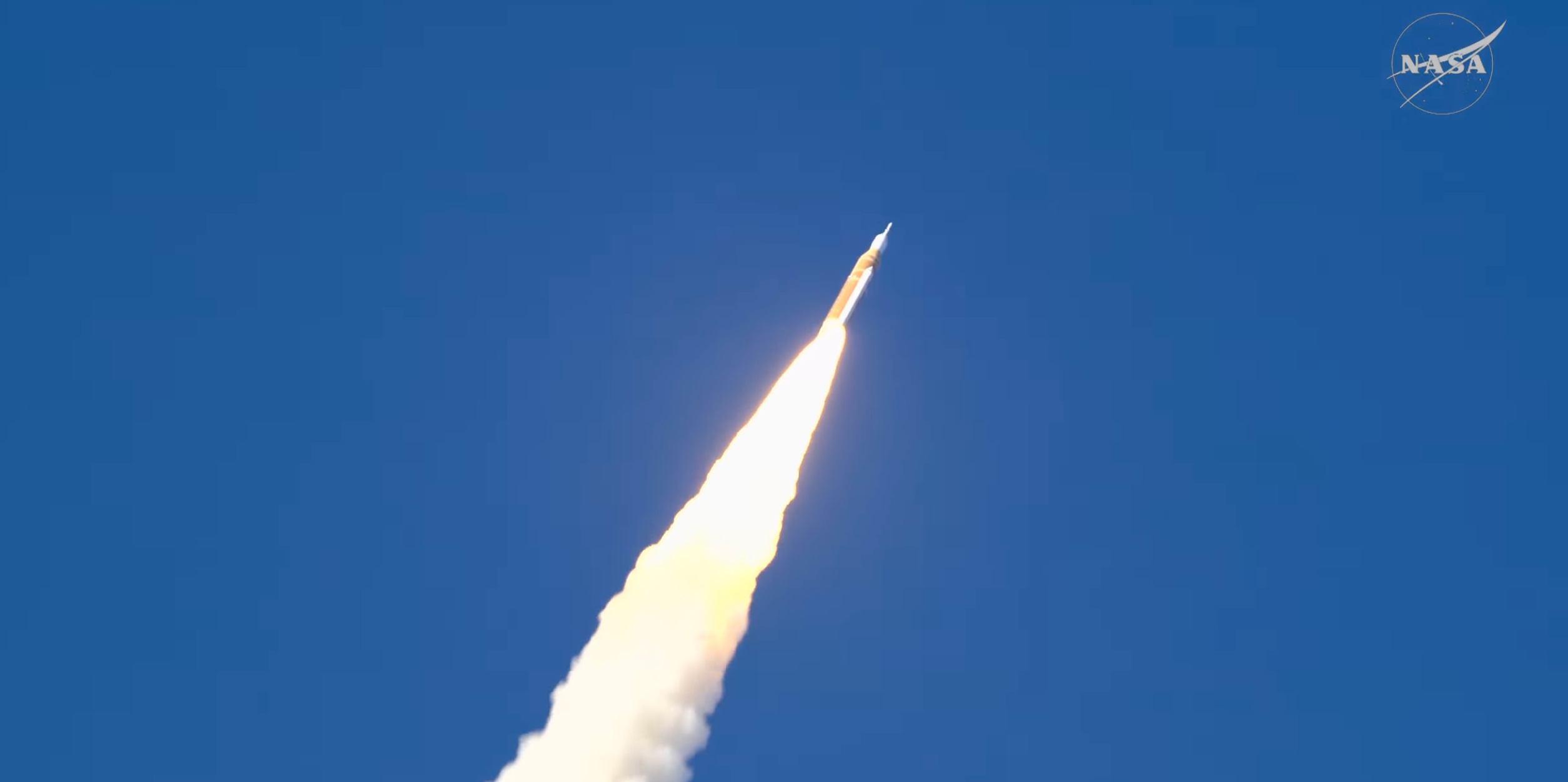
Iran said this week that it might soon target data centers and other assets of American tech giants, including the Starlink satellite system of Elon Musk’s Space X.
We wonder if this will be included as a risk factor in the initial public offering filings of Space X as it prepares for what could be the largest public sale of stock in history.
Indeed there are so many risks behind the assumptions being laid out for what is estimated to be a $75 billion offering that only the most perfect market conditions and peak investor optimism can make this work beyond an orchestrated pop on the first trading day.
Data centers in space? The merger with Musk’s xAI? A potential post-IPO combo with Tesla TSLA 0.00%↑What could possibly go wrong? The vision is enormous, but the financials will tell the story.
Musk and his army of bankers from Goldman Sachs GS 0.00%↑, Morgan Stanley MS 0.00%↑ and JP Morgan Chase JPM 0.00%↑, with expedited filing help from President Donald Trump’s Securities and Exchange Commission, can be expected to get this baby to market, estimated to be early this summer. But after that, it’s anybody’s guess.
SpaceX may indeed become the largest IPO, and the first of the AI offerings, with OpenAi and Anthropic close behind. Or it might be the ultimate tech bro and banker cash-out on the AI boom before the whole storyline crashes in the ocean of energy security costs, geopolitical risk, and climate threats.
Either way, it sure will be fun to watch.
Don’t forget to contact me directly if you have suggestions or ideas at dcallaway@callawayclimateinsights.com.
Follow us . . . .
Twitter | LinkedIn | Facebook | Instagram
ESG may be on life support, but it’s working

. . . . Investors in environmental, social and governance (ESG) strategies may be hard put lately, but they can take solace in the fact that the theme is working, writes Mark Hulbert. Our columnist analyzed thousands of companies and found that by a small margin, companies with higher ESG scores had lower costs of capital. That is, companies that executed on sustainable strategies found they were left with more money to invest in projects than their peers who ignored climate concerns. There is some bad news, however. Hulbert also found that their stocks performed slightly worse, illustrating that investors who want to save the world might have to give up some profit to do it.
Thursday’s subscriber insights

Japan tiptoes into emissions trading
. . . . While climate reporting mandates are rapidly being abolished in the U.S. and some European companies are openly denying they will (or can) abide by risk disclosure rules, Japan is quietly stepping into the emissions trading era.
The country begins mandatory reporting on direct, or Scope 1, pollution emissions this month for about 400 of its largest companies. Then companies, which represent about 90% of Japan’s emissions, will also be required to submit reduction targets, according to Bloomberg.
The new rules are a first step toward the opening of a market next year in emissions trading, where companies can trade their emissions as a way to reduce them. Essentially paying to get them off their books.
Several emissions trading systems, known as cap-and-trade schemes, are currently operating, with the European Union ones the most advanced. California has its own cap-and-trade system, while China launched its exchange last year.
The plans are seen as a first step by Japan to reach net zero targets by 2050, though many countries and companies are pushing back on these types of pollution reduction schemes because of higher energy prices tied to the Iran and Ukraine wars. Total Energies, the French oil giant, flatly declared this week that it can’t (or won’t) meet global climate targets because of its need to develop its business during the energy crunch.
Essentially, Total is betting the French government and European Union won’t penalize it because of more pressing geopolitical concerns. Japanese energy giants might not be so lucky.
Editor’s picks: Cyclones and droughts in Australia; plus, U.S. scientists go to Norway
Watch the video: Almost-surreal images showing bright red and orange skies are coming out of Australia. This meteorological phenomenon is caused by the passage of a powerful cyclone sweeping along the west coast. It is a rare sight, but known to happen during major sandstorms or dust storms. This red Australian sky is also one of the effects of soil drought, something that could occur more often because of climate change. Watch more in this report from France 24 English.
Research scientists leave U.S. for Norway, fleeing anti-science moves
Some climate scientists have fled the U.S. for Norway’s research institutes since U.S. President Donald Trump started pushing through his anti-science and anti-climate crisis agenda, Norway’s minister for research has said. Research minister Sigrun Gjerløw Aasland told The Independent that several American scientists had joined research institutes in her country over the past year, many of which are prioritizing pioneering climate research in the Arctic. Scientists are attracted to Norway, Aasland said, because of the oil-rich country’s well-funded institutions, high quality of life and its position on the “front line” of the climate crisis, with around 35% of its landmass lying north of the Arctic Circle.

Words to live by . . . .
“Human demands and expectations are ever-increasing. We cannot continue to pollute the atmosphere, poison the ocean and exhaust the land. There isn’t any more available.” —Stephen Hawking.